Farm to Camp connects kids to the land, helping them form relationships with food and nature from the ground up.
Farm to Camp is our largest youth education program. This camp is in partnership with City of Raleigh summer camps and takes places at the Marsh Creek Park Community Center. This programming is made possible by the generous support of TELUS.

Camp Theme: Gardening and Seed Saving
We know that farming and gardening is a key to improving connectivity among and across generations, cultures, and species. Through these spaces we learn skills valuable to personal independence and collective resilience. By saving and sharing seeds we carry these important relationships with and beyond ourselves while creating space for a more regional food culture.
Campers will collectively tend to a garden with the intention of exploring their relationship with natural communities, seed saving, and the histories of indigenous and culturally important foods. The camp will be hosted at our Marsh Creek Park site for participants enrolled in the City of Raleigh’s summer programs.
An Historical Look Back
Our Farm to Camp Program 2019-2026
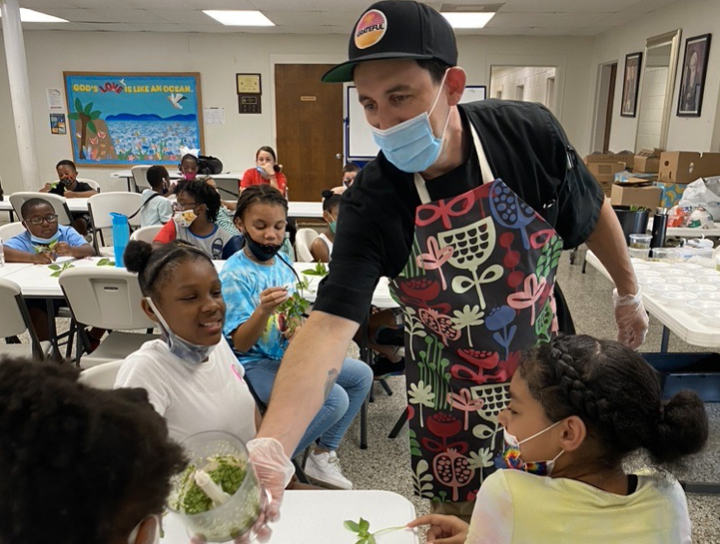
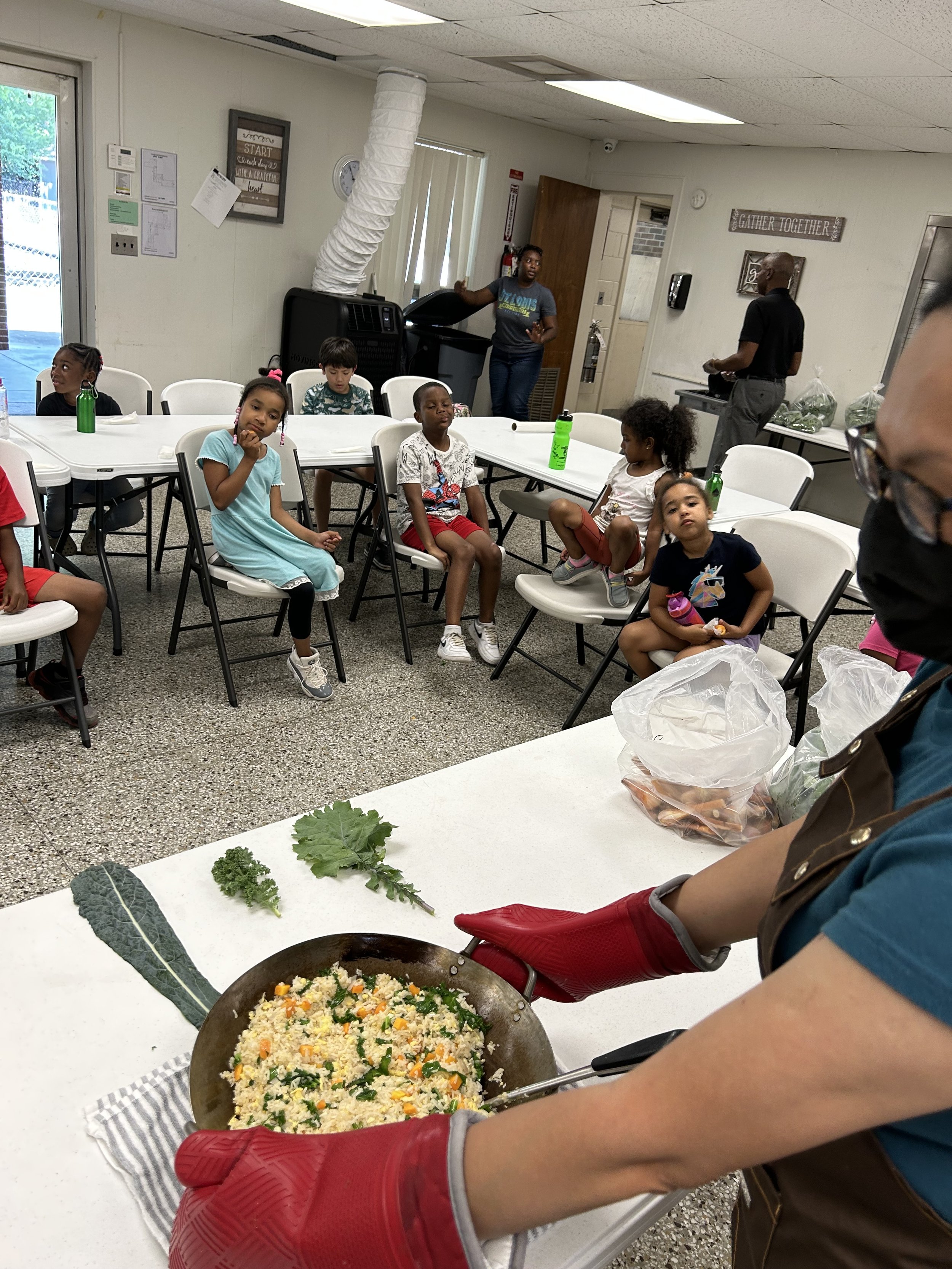
Farm to Camp was an outreach program where produce sourced from Raleigh City Farm was used to create tasty recipes shared with campers ages 5-14 at The Salvation Army on Wake Forest Road.
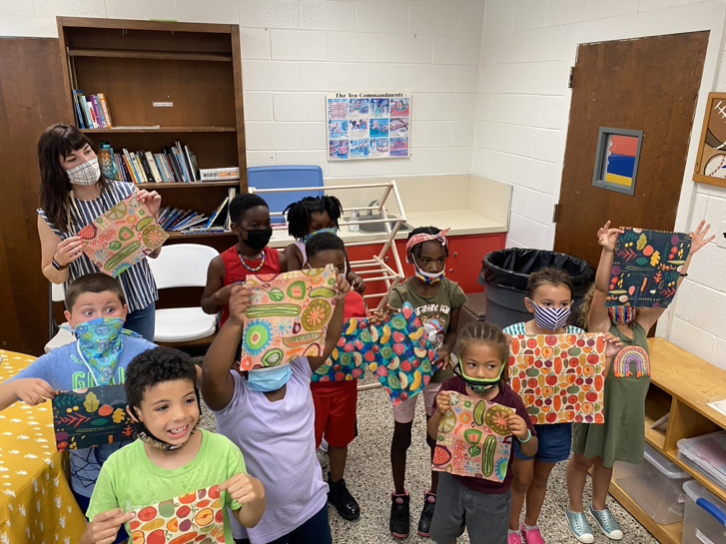
Local chefs led and inspired the students — and parents got to take home additional produce. This program was piloted in 2019 with seed money from the Jamie Kirk Hahn Fund. A program expansion in 2021 included textile crafts with our partners at Spoonflower. Thanks to support from TELUS, we added a technology ingredient in 2023, using digital content to reinforce the themes of each session. In 2024, we incorporated mindfulness and empowerment sessions through our partners at Workplace Options.
In the spring of 2025, Raleigh City Farm expanded the farm’s footprint to include two adjacent lots. This expansion allowed us to grow our education and engagement programs within the newly developed Murphy's Naturals Teaching Garden that includes an outdoor classroom. The program was renamed to simply “Farm Camp.”
During the program, participants learned how to plant, tend, and harvest crops using regenerative practices. Crop varieties were selected based on the master crop plan, and all harvested produce was allocated to our Farmshare program.
With continued TELUS support, in summer 2026 we launched our Farm to Camp program at Marsh Creek Park in partnership with the City of Raleigh. We hosted 8 weeks of hands-on sessions where campers collectively tended a raised-bed teaching garden and participated in seed saving.
Our 2019-2026 Farm to Camp Partners